
Every wave of automation produces the same two predictions. Everything changes, or nothing does. Both are reliably wrong, and the interesting answer is in the middle and much more specific.
Here is what the current wave actually touches, and what it creates.
The Property That Determines Exposure
Not skill level, and not wage. The determining factors are how structured the environment is and how varied the physical objects are.
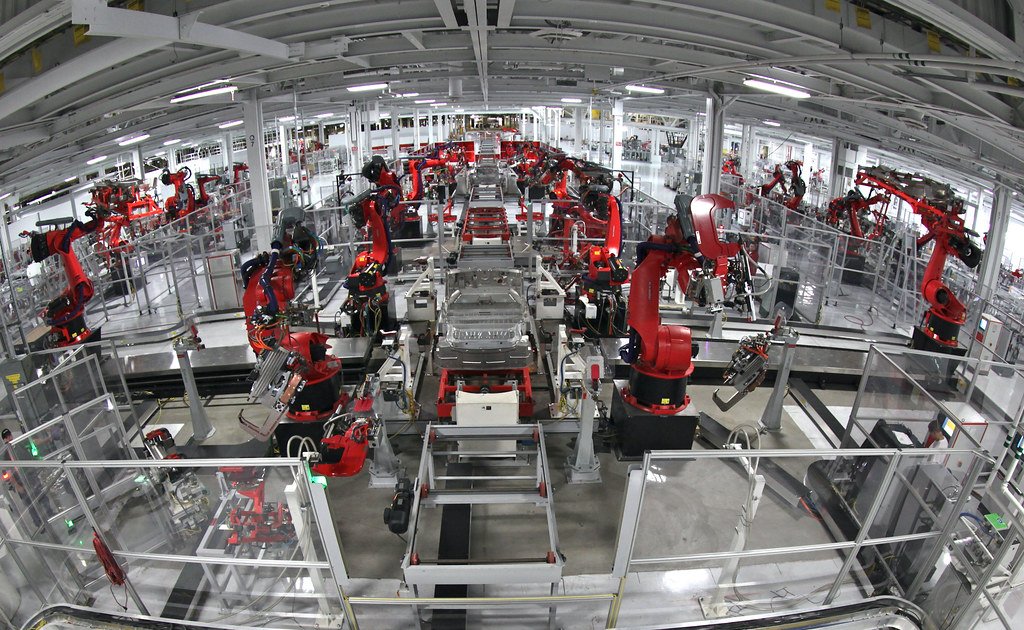
A warehouse aisle is highly structured with moderate variety. A hospital ward is unstructured with enormous variety. A production line is highly structured with almost no variety, which is why it automated decades ago. Plot your roles against those two axes and the answer stops being ideological.
Exposed Sooner Than People Expect
- Horizontal goods movement. Moving things across a known floor is essentially solved.
- Cycle counting and inventory checks. Repetitive, tedious, easily verified.
- Routine inspection. Cameras plus a model beat a clipboard on consistency.
- Machine tending in fixed setups. Load, unload, repeat.
- Overnight monitoring. Not because robots are better, but because staffing it is expensive and unpopular.
Safer Than People Expect
Anything involving varied manipulation, damaged or unusual items, or judgement about whether something is acceptable. Manipulation of diverse objects is still the hardest open problem in the field.
Anything in an unstructured environment shared with the public. And anything where the physical task is genuinely 30% of the job while the other 70% is judgement, coordination and dealing with people who are having a bad day.
The Roles Being Created
| Role | What it does | Who tends to fill it |
|---|---|---|
| Robot supervisor | Monitors fleets, handles exceptions | Experienced floor staff |
| Integration technician | Installs, calibrates, maintains | Maintenance engineers |
| Automation analyst | Decides what to automate and measures it | Operations analysts |
| Data and fixture lead | Keeps master data and physical setup correct | Warehouse leads |
| Safety officer for autonomy | Owns risk assessment and compliance | EHS professionals |
Notice who fills these. The best robot supervisors are people who already know how the floor behaves, because the hard part is judging when something is going wrong, not operating software.
What Operations Leaders Should Do
- Map your tasks, not your job titles. Roles are bundles of tasks with different exposure levels.
- Train the supervisors before you buy. The skills gap is the usual reason pilots stall.
- Be straight with your team. Vague reassurance is corrosive. People handle specifics better than silence.
- Redeploy deliberately. Automation projects that depend on redundancies to work are fragile financially and politically.
- Measure the injury numbers. The strongest case for automation is often the one nobody puts in the deck.
Conclusion
Exposure follows structure and object variety, not skill level or pay. Movement, counting and inspection go first. Varied manipulation and public-facing work go much later. The roles being created are supervision, integration and analysis, and they are best filled by people who already understand your operation. Map tasks rather than titles, and start the training before the machines arrive.
Frequently Asked Questions
Will robotics reduce headcount in the next two years?
In most operations, it changes what people do more than how many there are. Reductions tend to arrive through slower hiring rather than through cuts.
How do we talk to staff about it?
Specifically and early. Name the tasks affected, the roles created, and the timeline. Ambiguity generates worse rumours than the truth ever does.
Which skills should our team build now?
Exception handling, basic diagnostics and data discipline. The scarce skill is judging when an automated process is quietly going wrong.