
The copper phase-out stopped being a slow policy debate and became a scheduling problem. Lines are not being deprecated in a document somewhere, they are being physically removed, and 2026 is an active retirement year.
If your building still runs alarm panels, elevator phones or fax lines on copper, this is a budget line you own whether you planned it or not.
What Actually Changed
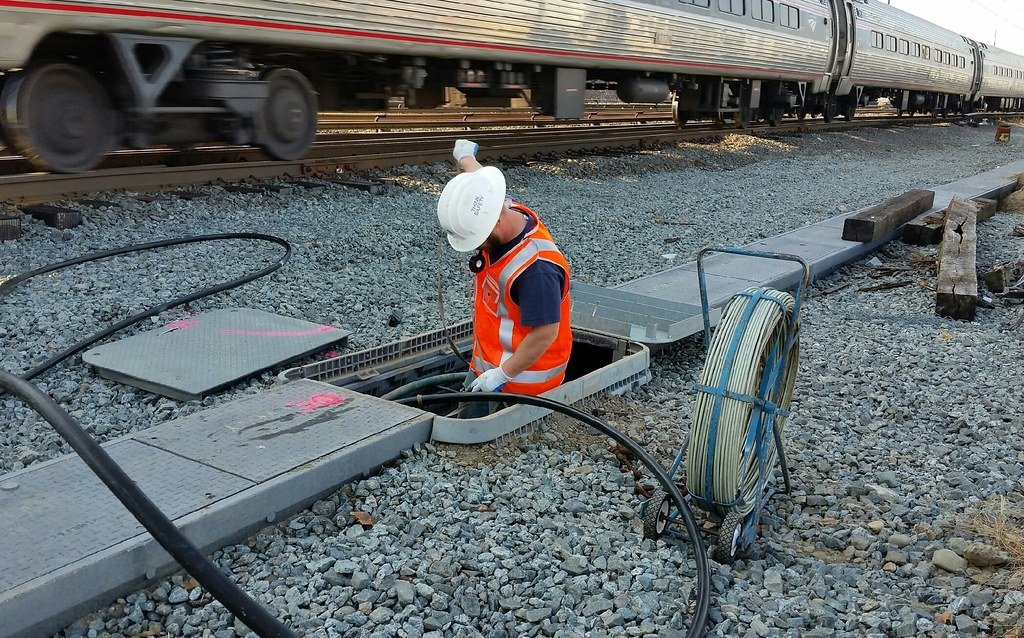
The regulatory position shifted through 2026. FCC rules issued this year shortened the notice carriers must give before retiring copper, with reporting pointing to a 90-day floor in many cases. AT&T has filed to discontinue legacy TDM voice services on or after 15 November 2026 affecting roughly 90,000 lines, and regulators cleared a path for it to end copper landline service for around 184,000 customers in California. The broader carrier exit runs toward 2029.
The practical translation: you may get one quarter of warning, not one year.
The Cost Nobody Believes Until They Check
Rates on remaining copper lines are spiking hard as carriers discourage the last holdouts. Reported figures for some legacy lines now exceed $2,700 per line per month.
Meanwhile a cellular POTS replacement unit for an elevator phone or fire alarm dialler typically runs $20 to $40 per month per line. Read those two numbers together and the business case writes itself. The question is not whether to move, it is whether you move on your schedule or the carrier one.
Build the Inventory First
Almost every failed migration starts with an incomplete inventory. Copper lines hide in places nobody has documented in a decade.
- Elevator emergency phones. Regulated, life safety, and always found last.
- Fire alarm dialler circuits. Often require specific approvals for replacement technology.
- Gate and entry intercoms. Frequently on lines billed to a facilities account nobody reviews.
- Fax lines. Still legally required in parts of healthcare and legal work.
- Point of sale and modem backups. The forgotten failover that gets discovered during an outage.
- Alarm panels at unstaffed sites. The classic surprise in multi-location estates.
A Budget Model That Holds Up
| Line item | What to plan for |
|---|---|
| Device hardware | One unit per line, often bundled into the monthly rate |
| Monthly service | Typically $20 to $40 per line for cellular replacements |
| Installation and testing | Site visits dominate cost in multi-location estates |
| Compliance recertification | Fire and elevator systems may need formal sign-off |
| Parallel running | Budget one to two months of overlap per site |
| Contingency | 15% to 20%. You will find lines you did not know about. |
Sequence It By Risk, Not By Cost
Do life safety first: elevators and fire panels. They carry the longest approval cycles and the least tolerance for a failed cutover.
Then take your most expensive lines, because that is where savings fund the rest of the programme. Convenience lines like fax and back office phones go last, and some of them should simply be switched off rather than replaced. Every line you retire instead of migrating is pure saving.
Conclusion
Inventory every copper line this quarter, including the ones on facilities invoices nobody reads. Migrate life safety first, expensive lines second, and cancel whatever nobody uses. With notice periods now measured in weeks rather than seasons, the organisations that get hurt will not be the ones who moved late. They will be the ones who never counted their lines.
Frequently Asked Questions
Can we just wait until the carrier forces us?
You can, and you will pay a premium rate until then, then migrate under time pressure with no room to test. That combination is how outages happen on life safety systems.
Do cellular replacements meet fire and elevator code?
Purpose-built units are designed for it, but requirements vary by jurisdiction and inspector. Confirm acceptance locally before you buy at scale.
What about power outages?
Copper carried its own power, which is exactly why people trusted it. Any replacement needs battery backup sized for your local requirement, and that belongs in the budget from day one.