
A humanoid robot video crosses your feed roughly weekly, and each one looks like the future arrived on Tuesday. Some of them are genuinely remarkable. Several are a person in another room with a controller.
Here is how to tell the difference without being a robotics engineer.
The Platforms Worth Knowing
Four platforms dominate serious discussion in 2026: Boston Dynamics Atlas, Figure 03, Tesla Optimus Gen 3, and the Unitree line.
The differences that matter are not the specifications. They are the approach to intelligence. Figure runs Helix, its in-house vision-language-action model. Tesla takes a similar vertically integrated route with networks derived from its driving stack and its own silicon. Unitree open-sourced UnifoLM-VLA-0 in March 2026, letting robots perform household tasks from natural language commands, which is a very different strategy: commodity hardware plus open models.
Six Questions That Cut Through a Demo
- Is it teleoperated? The single most important question, and the one least often answered without prompting.
- Is the footage sped up? Many impressive clips run at two to four times real speed.
- How many attempts? A one-in-twenty success shown once is a research result, not a capability.
- Was the environment prepared? Fixed lighting, known object positions and clean floors are not a warehouse.
- How long can it run? Battery life and thermal limits end most demos well before the shift does.
- Who is the customer? Deployed at the manufacturer own site is a very different claim from sold and running at a third party.
What a Real Deployment Looks Like
BMW eleven-month deployment of a Figure humanoid at its Spartanburg plant is the useful reference point. Note the characteristics: months not minutes, one site, a defined task, and a manufacturer with the engineering depth to support it.
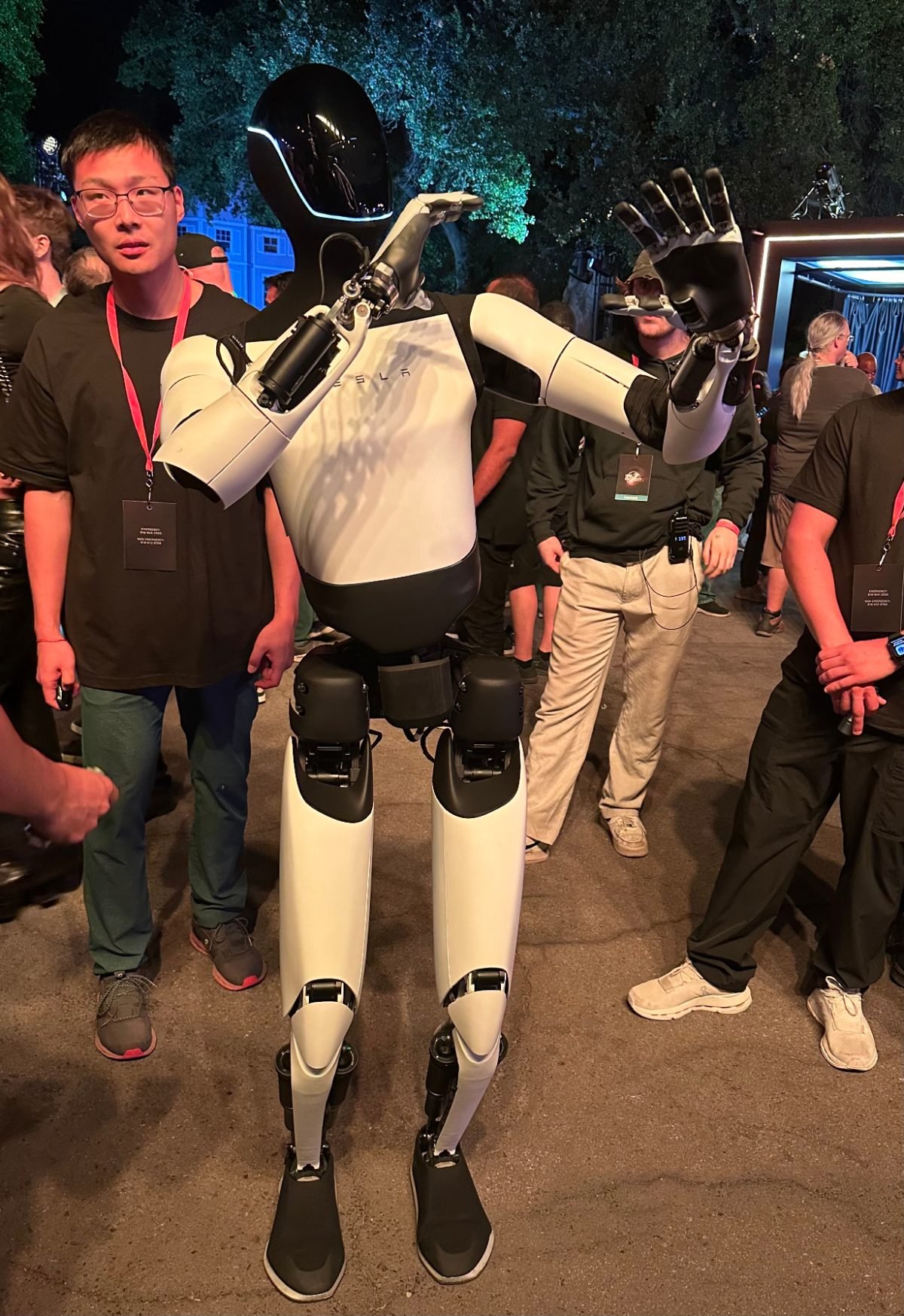
Tesla Optimus, reported in April 2026 as deployed only within Tesla own factories, is the same pattern. This is how industrial technology actually matures, and it is a positive signal rather than a disappointment. It is simply not the same thing as a purchasable product.
The Economics Nobody Puts in the Video
| Cost | Reality |
|---|---|
| Robot purchase | The stated target price, if it arrives |
| Integration | Frequently comparable to the robot itself |
| Facility changes | Fixtures, charging, safety zones |
| Support contract | Recurring, and required |
| Downtime | Every hour it stops, the line does too |
| Retraining for new tasks | Cheaper with VLA models, not free |
A stated target price in the $20,000 to $30,000 range is a manufacturing ambition. The delivered cost of a working deployment is a different number, and it is the one that appears in your budget.
When This Becomes a Buying Decision
Three conditions have to arrive together: reliability high enough that intervention is rare, safety certification settled enough for your insurer, and a supply chain that can deliver units and spares.
None is fully in place today. All three are moving. The reasonable posture is to learn the vocabulary now, watch intervention rates, and be ready to move when a peer in your industry runs one unsupervised for a quarter.
Conclusion
Ask whether it is teleoperated, how many attempts it took, and how long it ran unsupervised. Treat multi-month plant deployments as the real signal and everything shorter as research. Keep watching, because the VLA shift is genuine, and budget nothing until a robot in your industry has worked a full quarter with an intervention rate somebody is willing to publish.
Frequently Asked Questions
Is teleoperation cheating?
Not at all, and it is a legitimate deployment strategy. It is only dishonest when a demo implies autonomy it does not have.
Will humanoids replace warehouse robots?
Unlikely in structured environments, where purpose-built machines are faster and cheaper. Humanoids target the messy spaces where fixed automation never worked.
How far away is general availability?
Nobody credible gives a confident date. Watch intervention rates and safety certification rather than announcements, because those two numbers gate everything else.