

It might be too early to make bold predictions, but Dogecoin is shaping up to be one of the most talked-about cryptocurrencies of 2021. Since the start of the year, it has been on a remarkable run, climbing roughly 1,900% in value. Yes, you read that correctly. Not long ago, a single coin was worth less than a penny, but the recent boom pushed it to around $0.1226, or roughly 12 cents. For a digital currency that started as a joke, that’s pretty incredible. We’ll get to that part in a moment.
According to a report from the news outlet Benzinga, Dogecoin has surged close to 1,900% since early 2021. To put that into perspective, Bitcoin gained about 117.47% over the same period, which makes Dogecoin’s rise even more striking. Cryptocurrencies can feel overwhelming when you’re new to them, but Som Visao has a helpful beginner’s guide that breaks things down clearly. So while Dogecoin still has a long way to go before it catches up to Bitcoin, its influence on the future of digital money is becoming hard to ignore.
What Is Dogecoin?
Dogecoin was created back in December 2013 as a lighthearted, easy-to-use cryptocurrency by two software engineers, Billy Markus and Jackson Palmer. If you’ve spent any time online, chances are you’ve come across the famous “Doge” meme featuring the iconic Shiba Inu, often called Shibe.
Palmer, an Australian marketer, jokingly combined two of the most talked-about topics on the internet at the time: cryptocurrency and the Doge meme. He tweeted that Dogecoin was surely the next big thing in digital currency, never imagining the idea would actually take off. And as conversations around digital assets continue to evolve, it’s worth remembering that tax authorities are paying close attention to this space, and not disclosing crypto income may result in severe consequences.
That single tweet caught the attention of plenty of people online. Riding the wave of curiosity, Palmer took the joke a step further by buying the Dogecoin.com domain and uploading a photoshopped image of the Shibe onto a coin.
Even after launching Dogecoin, Markus and Palmer never really treated it as a serious financial venture and had no plans to actively promote it. Still, as Dogecoin grew in value and popularity, many holders found themselves needing professional tax and financial guidance. Consulting an accountant for crypto became essential for navigating the complex reporting requirements that came with unexpected gains. Then came Reddit. Yes, the same platform behind the GameStop saga. The Dogecoin subreddit blew up almost overnight, giving the coin both the visibility and community it needed to thrive.
Reddit users started sending Dogecoins to each other as a way to show appreciation or simply as a friendly gesture. This kind of casual tipping became common across the platform and helped grow the user base steadily.
Despite its strong Reddit presence, very few people took Dogecoin seriously as a real currency, and its practical uses remained limited. It was, after all, literally a “memecoin.” That all started to change this year when Tesla CEO Elon Musk tweeted about sending Dogecoin “to the moon.” Some people initially brushed it off as an April Fools’ joke, but Musk has since posted several cryptic tweets about the coin, fueling speculation.
A few other notable figures soon jumped on board. Mark Cuban, billionaire entrepreneur and owner of the Dallas Mavericks, announced that the team would start accepting Dogecoin as payment. Rapper Snoop Dogg and Gene Simmons, bassist of the legendary rock band Kiss, both voiced their support on Twitter. There’s also a growing belief that a recent TikTok trend is contributing to the surge. Viral videos on the app have been encouraging users to buy Dogecoin precisely because it’s so cheap, making it feel like an accessible gateway into the world of crypto.
The History Of Dogecoin
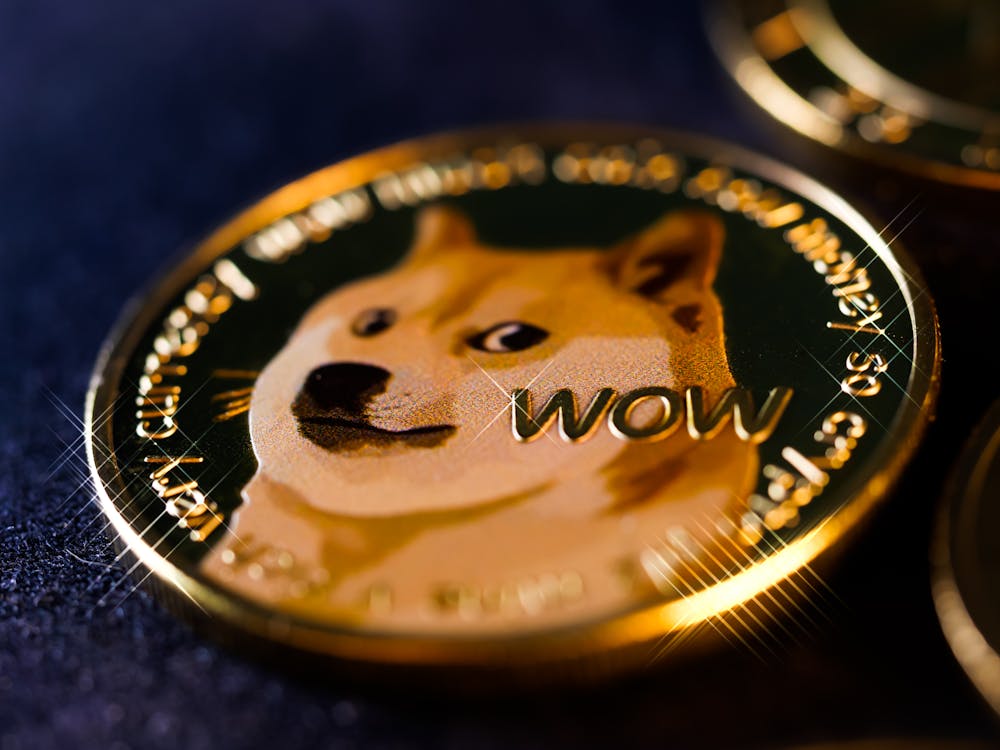
Bitcoin, the original cryptocurrency, was a groundbreaking technical innovation. It allowed anyone, anywhere, to send digital money at low cost without needing permission from a bank or middleman. But because Bitcoin was open-source, anyone could copy its code and create their own version. And that’s exactly what people did, leading to a wave of clones like Litecoin and Peercoin popping up across the internet.
Dogecoin was the cheeky, tongue-in-cheek response to that trend. Created in December 2013 by software engineers Billy Markus and Jackson Palmer, Dogecoin was essentially a copy of Litecoin (which itself was a close relative of Bitcoin). It featured the now-iconic Shiba Inu dog and was almost always discussed in playful, meme-filled language packed with references to dogs and the moon.
Almost from day one, Dogecoin built a loyal following. It attracted people who liked the idea of crypto but wanted to have a bit of fun with it, dog lovers who couldn’t resist the Shibe mascot, and even folks who didn’t take crypto seriously at all but still wanted to be part of the ride.
That said, not everyone bought into the hype. Even co-founder Jackson Palmer eventually distanced himself from the project. Back in 2018, he warned that Dogecoin’s rising price was a red flag for an overheating crypto market. “I think it says a lot about the state of the cryptocurrency space in general that a currency with a dog on it which hasn’t released a software update in over two years has a $1B+ market cap,” he remarked in January 2018. Sure enough, just days later, the entire crypto market took a brutal nosedive.
But Dogecoin kept going. Thanks in part to its laid-back, hands-off approach and the massive crypto rebound in 2020, Dogecoin is now more popular than it has ever been.
So, How Technical Is Dogecoin Really?
In a way, yes, it’s built on solid foundations since it began as a Litecoin clone, which was a fairly well-designed system. The network is encrypted and lets users send DOGE back and forth without too much trouble. It works, but it isn’t quite as secure or decentralized as Bitcoin.
That said, Dogecoin was never meant to break new ground. There are a few small differences worth mentioning, like a slightly shorter block time than Litecoin’s. And unlike Bitcoin, which has a hard supply cap, there are currently around 129 billion DOGE in circulation, with more being created all the time. The biggest gap, though, is that Bitcoin and Litecoin are actively maintained and regularly updated to patch bugs and improve security. Dogecoin, on the other hand, gets updated only occasionally, and sometimes years pass between releases.
Think of Dogecoin as the goofy, carefree cousin of Bitcoin. It doesn’t take anything too seriously and isn’t worried about what tomorrow brings. While the rest of the family is cleaning the house, Dogecoin is out playing beer pong and blasting GWAR while you’re trying to get some real work done. It’s relaxed, irreverent, and unapologetically itself.